Exploring the Unique Vocalization Patterns of Oriental Shorthairs
What Unique Vocalization Patterns Are Exhibited by Oriental Shorthairs?
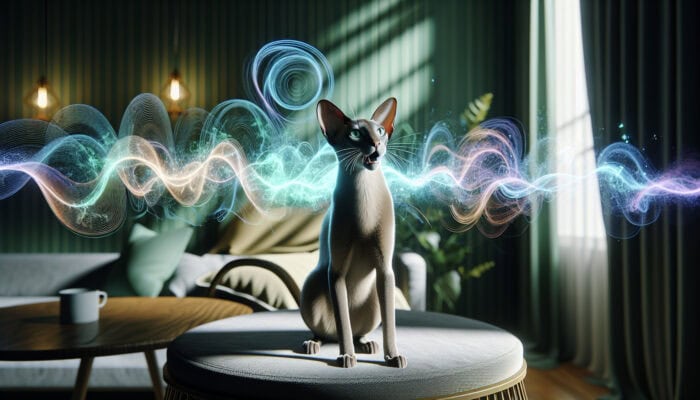
Oriental Shorthair cats are renowned for possessing an impressive and intricate range of vocalizations that constitute their primary form of communication. These unique vocal patterns include a variety of sounds such as meows, trills, chirps, and purrs, each varying in pitch, frequency, and intensity. For pet owners, understanding the significance of these sounds is essential, as they convey the emotional states and needs of their feline companions. Below is a detailed list of common vocal types that characterize Oriental Shorthairs, which will help owners decipher their pets’ vocal behaviors more effectively:
- Meows: These vocalizations can differ in duration and pitch, often indicating requests for attention or food.
- Trills: Brief, melodic sounds that express affection and excitement.
- Chirps: High-pitched calls that may reflect hunting instincts or playful attitudes.
- Purrs: Soft, continuous sounds that signify contentment and relaxation.
- Yowls: Loud and often prolonged cries that indicate distress or territorial disputes.
- Chatter: Quick, repetitive sounds made when observing birds or other prey, showcasing instinctual behavior.
- Growls: Deep, throaty sounds that serve as warnings to other animals.
- Squeaks: Soft, short sounds that may suggest curiosity or surprise.
These varied vocalizations not only reflect the playful and interactive nature of Oriental Shorthairs but also enhance their communication with human companions. By recognizing and understanding these sounds, owners can respond appropriately, thereby strengthening the bond between them and their beloved pets.
Identifying Key Characteristics of Vocal Behavior in Oriental Shorthairs
The vocal behavior of Oriental Shorthairs is characterized by expressiveness and frequency. Unlike many other cat breeds, these felines are eager to vocalize their emotions and needs. This vocal expression is closely tied to their playful personalities, making them delightful companions. The sounds they produce can range from gentle trills during affectionate moments to urgent meows when they seek attention or food. This diverse range of vocalization serves practical functions while deepening the emotional connection between the cat and its owner.
Oriental Shorthairs often develop specific vocal habits influenced by their environment and interactions with their human companions. For example, cats that experience regular verbal engagement and participate in interactive play tend to vocalize more, as they learn that their vocalizations prompt responses from their owners. This dynamic fosters a richer communication experience, where the cat feels more connected and understood. The expressive nature of their vocalizations is crucial for their social behavior, allowing them to convey a wide array of emotions, including joy, curiosity, frustration, and distress.
Overall, understanding the key characteristics of Oriental Shorthair vocal behavior reveals the depth of their communication. This breed thrives on interaction and vocal expression, which not only enhances relationships with humans but also enriches their social experiences.
How Does Vocalization Develop in Oriental Shorthairs?
The process of vocalization in Oriental Shorthairs begins early in life, with kittens generating sounds as they interact with their littermates and mother. During kittenhood, these vocalizations primarily consist of soft mews and trills, aimed at communicating basic needs such as hunger or comfort. As they mature, their vocal skills evolve into more complex and nuanced forms, often mirroring their individual personalities and emotional states.
By the time they reach adulthood, Oriental Shorthairs boast a rich repertoire of vocalizations that reflect their unique life experiences and interactions. For instance, a cat raised in a bustling household with children may vocalize differently than one brought up in a calmer environment. The innate drive for communication propels this evolution, as these cats learn which sounds elicit specific responses from their owners and adjust their vocalizations accordingly.
Moreover, factors such as socialization and environmental stimuli play significant roles in vocalization development. A cat encouraged to vocalize through positive reinforcement during play or training is likely to become more expressive. Conversely, a quieter or more introverted cat might develop a more subdued vocal style, reflecting its comfort level and personality traits. Understanding this developmental process is vital for owners seeking to nurture effective communication with their Oriental Shorthairs throughout their lives.
What Environmental Factors Impact Vocalization in Oriental Shorthairs?

The environment in which an Oriental Shorthair lives plays a crucial role in shaping its vocalization patterns. Various factors, including household noise levels, the presence of other pets, and the dynamics of human interactions, can significantly influence how frequently and how loudly these cats vocalize. For example, in a lively household filled with children, pets, and various sounds, a cat may become more vocal as it competes to express its needs and emotions over the background noise. This heightened expressiveness is essential for the cat to effectively convey its requirements amidst a chaotic environment.
Conversely, in a tranquil setting, an Oriental Shorthair may vocalize less frequently, as the absence of distractions allows for more subdued expressions. Owners can tailor their care routines based on these environmental influences, ensuring their cats feel comfortable and are encouraged to express themselves naturally. Providing a stimulating environment that includes interactive toys and regular playtime can promote healthy vocalization habits, as these activities encourage the cat to utilize its voice.
Additionally, the interactions between an Oriental Shorthair and its owner are pivotal in shaping vocalization. Engaging in regular conversation, responding to the cat’s sounds, and offering positive feedback can significantly enhance communication. Owners should strive to create an environment where vocal expression is welcomed and encouraged, thereby fostering a deeper connection with their feline companions.
How Do Oriental Shorthairs Effectively Communicate Through Their Vocalizations?
The Importance of Vocal Sounds in Everyday Interactions
Vocalizations are a fundamental aspect of the daily lives of Oriental Shorthairs, serving as their primary means of communication with both humans and other pets. These cats utilize a diverse array of vocalizations to signal different needs and emotions, ranging from hunger and affection to distress and playfulness. For instance, a hungry Oriental Shorthair may emit sharp, urgent meows to alert its owner that mealtime is near. Simultaneously, a cat seeking affection might produce soft trills or purrs to solicit attention and petting.
Understanding these vocal signals enhances everyday interactions between owners and their Oriental Shorthairs, promoting a stronger bond based on mutual understanding. When owners learn to recognize the nuances of their cat’s vocalizations, they can respond more effectively, reinforcing the behaviors that lead to positive interactions. This responsive communication helps Oriental Shorthairs feel more secure and understood, encouraging further vocal expression.
Furthermore, vocalizations play a vital role in the social dynamics of multi-pet households. Oriental Shorthairs can use their vocalizations to communicate with other pets, signaling intentions or emotions that help mitigate misunderstandings and potential conflicts. For example, a cat may vocalize softly to indicate a desire to play, allowing a dog or another cat to respond appropriately. This ability to communicate effectively not only facilitates harmonious relationships within the household but also supports the overall emotional well-being of all animals involved.
In essence, the vocal sounds produced by Oriental Shorthairs are indispensable for daily communication, enhancing interactions with their owners and other pets. By recognizing and responding to these vocalizations, owners can create a supportive environment that enriches their cats’ lives.
Factors Influencing Their Distinct Communication Styles
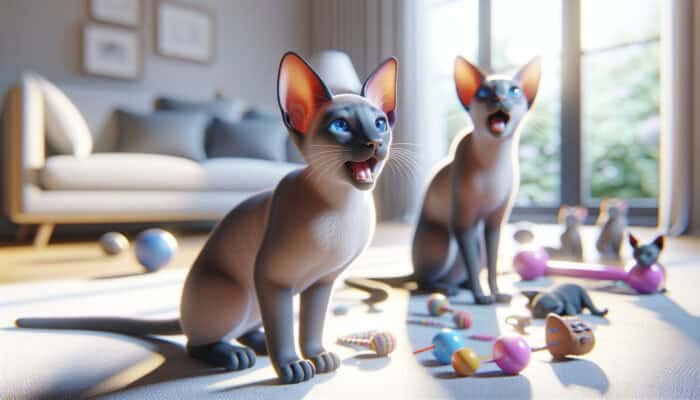
Several factors influence the communication styles of Oriental Shorthairs, including age, environment, and individual personality traits. As these cats mature, their vocal behavior tends to evolve, reflecting their experiences and interactions with humans and other animals. For instance, a kitten may begin with simple mews and trills, gradually developing a more complex repertoire of vocalizations as it ages and learns to communicate effectively with its surroundings.
The environment also significantly shapes vocal patterns. In households where owners frequently engage in conversation and interaction, Oriental Shorthairs are likely to become more vocal and responsive to environmental stimuli. Conversely, in quieter or less interactive settings, a cat may adopt a more subdued communication style. The presence of other pets can further impact vocal behavior, as cats learn to adapt their vocalizations to avoid conflict or to foster companionship.
Additionally, individual personality traits contribute to the distinctive vocal styles of each Oriental Shorthair. Some cats may be naturally more vocal and expressive, whereas others may be more reserved. This individuality can stem from genetic factors, socialization experiences, and personal preferences. Understanding these influences allows owners to appreciate the unique communication styles of their cats, leading to more meaningful interactions.
To enhance communication, owners should closely observe their Oriental Shorthair’s vocal patterns and the contexts in which they occur. By doing so, they can better comprehend their pet’s needs and emotions, ultimately fostering a more enriching relationship that values the uniqueness of each cat’s voice.
Why Do Vocalization Patterns Vary Among Individual Cats?
Vocalization among Oriental Shorthairs can differ significantly between individuals, influenced by genetic predispositions, environmental factors, and personal experiences. Each cat has a distinctive vocal style that reflects its personality and emotional state, making interactions lively and engaging. For instance, while one Oriental Shorthair may possess a gentle, soft meow, another may express itself through louder, more exuberant sounds.
Genetic factors play a substantial role in determining a cat’s vocal style. Certain lines of Oriental Shorthairs are known for their particularly chatty dispositions, which can be traced back to their ancestral traits. However, environmental influences also shape vocalization. Cats raised in social environments with ample interaction may develop more varied and frequent vocalizations than those raised in quieter settings.
Moreover, personal experiences impact how vocalization develops and manifests in each cat. For example, an Oriental Shorthair that has received positive reinforcement for vocalizing during play or attention-seeking moments is likely to become more expressive over time. In contrast, a cat that has faced negative consequences for its vocalizations may learn to be more reserved, opting for silence over vocal expression.
Ultimately, the variation in vocalization among individual Oriental Shorthairs adds richness to their personalities and interactions. Owners can appreciate these unique vocal styles by closely observing their cats and responding to their specific needs and preferences, fostering a deeper connection based on understanding and mutual respect.
The Role of Vocalization in Strengthening Human-Cat Relationships
The vocalizations of Oriental Shorthairs play a significant role in strengthening the bond between these cats and their owners. Through effective communication, these vocal sounds convey emotions, needs, and desires, facilitating a deeper understanding of one another’s feelings. When Oriental Shorthairs vocalize, they invite their owners to engage in a dialogue, creating opportunities for connection and interaction.
The ability to interpret vocal cues enables owners to respond more effectively to their cats’ needs. For example, recognizing a specific meow as an indication of hunger or discomfort allows owners to take timely action, reinforcing the sense of trust and security that is vital to a strong human-cat bond. This responsiveness fosters a positive feedback loop, encouraging cats to continue vocalizing and seeking interactions with their owners.
Moreover, vocalization enhances the emotional connection between Oriental Shorthairs and their owners. Cats that express themselves through vocalizations often experience increased feelings of companionship and affection, resulting in a more profound relationship. The shared experience of vocal communication allows owners to feel more attuned to their cats, promoting harmony within the household.
In summary, the impact of vocalization on human-cat bonds is profound. By understanding and responding to their Oriental Shorthair’s vocal expressions, owners can foster a nurturing relationship grounded in effective communication, emotional connection, and mutual understanding.
Expert Insights on Oriental Shorthair Vocalization
Advanced Techniques for Deciphering Vocal Cues
Understanding the vocal cues of Oriental Shorthairs requires keen observation and the application of advanced techniques to accurately interpret their sounds. Experienced cat owners and behaviorists emphasize the importance of context in vocalizations. For instance, the same meow may signify different needs depending on the situation. Owners should pay attention to factors such as the cat’s body language, the time of day, and the surrounding environment, as these elements can provide valuable insights into the meaning behind each vocalization.
To enhance the ability to interpret vocal cues, owners can utilize a few actionable steps. First, maintaining a vocal journal can help track the various sounds made by the cat, along with the context in which they occur. Over time, owners will begin to recognize patterns and associations between specific vocalizations and their corresponding meanings. Second, engaging in regular play and interaction with the cat allows for the development of a shared communication language. Cats often respond to specific sounds or phrases from their owners, which strengthens the bond and fosters an understanding of each other’s needs.
By effectively interpreting vocal cues, owners can respond appropriately to their Oriental Shorthair’s needs. For example, if a cat consistently meows loudly when it wants to play, the owner can recognize this sound as a call for interactive playtime, leading to enriched experiences for both. This understanding not only strengthens the human-cat bond but also contributes to a more harmonious living environment.
The Science Behind Their Expressive Sounds
The vocalizations of Oriental Shorthairs are not merely random noises; they are deeply rooted in scientific principles that reveal their evolutionary history and social behaviors. Genetic factors play a significant role in shaping the vocal characteristics of these cats. Research has shown that certain breeds, including Oriental Shorthairs, possess genetic predispositions that influence their vocal capabilities. For example, these cats often have more flexible vocal folds, which allow them to produce a wider range of sounds than other breeds.
These vocal traits are thought to have evolved to enhance social bonds within their communities. Vocal communication aids in establishing social hierarchies, signaling intentions, and facilitating interactions among multiple animals. Studies suggest that expressive vocalization strengthens relationships not only with humans but also among fellow cats, contributing to a more cohesive social structure within multi-pet households.
Real-world examples illustrate these evolutionary aspects. For instance, a study involving feral cat colonies demonstrated that vocalizations played a crucial role in forming alliances and reducing conflicts among group members. Oriental Shorthairs, as descendants of these social felines, inherit these vocal tendencies, which facilitate effective communication in both domestic and wild settings.
In summary, the science behind the expressive sounds of Oriental Shorthairs is a fascinating intersection of genetics, social behavior, and evolutionary adaptations. Understanding these principles can help owners appreciate the richness of their cat’s vocal expressions and the importance of fostering a communicative environment.
Strategies for Deepening Understanding of Vocalization
To cultivate a deeper understanding of Oriental Shorthair vocalization, owners can implement several strategies that encourage attentive listening and responsive behavior. First and foremost, creating a routine of regular interaction can significantly enhance communication. Engaging in daily play sessions, providing affection, and speaking to the cat frequently help owners establish rapport that fosters vocal expression.
Another effective strategy is to actively observe vocal changes over time. Cats may exhibit variations in their vocalizations in response to mood, health, or environmental changes. By noting these shifts, owners can become more attuned to their cat’s emotional state and address any underlying issues that may arise. For example, if a previously vocal cat suddenly becomes quiet, it may indicate stress or discomfort, prompting the owner to investigate potential causes.
Additionally, owners can use positive reinforcement techniques to encourage desired vocal behaviors. Rewarding the cat with treats or affection when it vocalizes appropriately reinforces the behavior and encourages further communication. This approach promotes a healthy dialogue between the cat and owner, fostering trust and understanding.
By employing these strategies, owners can deepen their understanding of Oriental Shorthair vocalization, thereby facilitating enriched interactions and a more harmonious relationship. Active engagement and attentiveness to vocal cues enhance communication, reinforcing the emotional bond between cats and their owners.
What Factors Influence the Vocalization of Oriental Shorthairs?
How Does the Environment Shape Vocal Habits?
The environment in which an Oriental Shorthair resides significantly impacts its vocal habits. Various environmental stimuli, such as household noise levels, the presence of other pets, and interactions with human companions, can prompt changes in vocalization frequency and intensity. For instance, a cat living in a bustling household filled with children and lively activities may become more vocal to compete with the noise, using its voice to express needs and emotions.
In contrast, a quieter living situation may lead to fewer vocalizations, as the cat may be less inclined to vocalize when the environment is serene. This adaptability in vocal behavior is essential for Oriental Shorthairs, as it allows them to navigate their surroundings and express themselves effectively.
Owners can influence their cat’s vocal habits by creating a stimulating environment that encourages communication. Incorporating interactive toys, engaging in playtime, and fostering regular social interactions can prompt vocal expression. For example, introducing new toys or activities can excite the cat and invite vocal responses as it engages with its environment.
Additionally, owners should consider the importance of routine in shaping vocal habits. Establishing consistent daily schedules for feeding, play, and social interaction can provide the cat with a sense of predictability, reducing anxiety and promoting a more relaxed demeanor. This, in turn, may lead to a healthier balance in vocalization, as the cat feels secure in its environment.
In summary, the interplay between the environment and vocal habits in Oriental Shorthairs is significant. By creating a stimulating and nurturing environment, owners can encourage healthy vocal expression and enhance the overall well-being of their feline companions.
Why Do Genetics Impact Their Vocal Style?
Genetics plays a fundamental role in shaping the vocal style of Oriental Shorthairs, influencing the range and quality of sounds these cats produce. Certain genes are linked to vocal cord structure and flexibility, determining how effectively a cat can modulate its voice. For example, Oriental Shorthairs often possess more agile vocal cords, allowing them to produce a variety of sounds, from soft trills to loud yowls.
The genetic predisposition for vocalization is not exclusive to Oriental Shorthairs but is observed across various breeds. However, the expressiveness of Oriental Shorthairs is particularly pronounced, making them stand out among other breeds known for their vocal traits. This genetic tendency toward expressiveness is likely rooted in their history as social animals, in which effective communication within colonies was crucial for survival.
Moreover, inherited traits can also affect the personality of Oriental Shorthairs, further influencing their vocalization. Cats that are naturally outgoing and playful may vocalize more frequently than those that are more reserved. Understanding the genetic influences on vocal style can help owners appreciate the uniqueness of their cat’s vocal expressions and respond appropriately.
It is essential for owners to recognize that while genetics sets the foundation for vocalization, environmental factors and social experiences also significantly shape vocal habits. By fostering a supportive and engaging environment, owners can enhance their Oriental Shorthair’s vocal capabilities, allowing their natural talents to flourish.
How Are Vocal Changes Connected to Health?
The vocal patterns of Oriental Shorthairs can serve as vital indicators of their health and well-being. Changes in vocalization can often signal underlying health issues or emotional distress, making it essential for owners to monitor their cat’s vocal expressions. For instance, a sudden increase in vocalization, such as loud meowing or yowling, may indicate discomfort, pain, or anxiety. In contrast, a noticeable decrease in vocalization may suggest illness, depression, or stress.
Understanding the connections between health and vocal changes can empower owners to take proactive measures to care for their Oriental Shorthairs. Regular health check-ups with a veterinarian are crucial for identifying potential medical issues before they become serious. Additionally, owners should closely monitor their cats’ behavior and note any changes in vocalization patterns, as these may provide valuable insights into their overall health.
Establishing a routine that includes regular interaction and engagement can also contribute to the emotional well-being of Oriental Shorthairs. Creating a safe and enriching environment helps minimize stress, promoting a more stable and contented cat. When Oriental Shorthairs feel secure in their surroundings, they are more likely to maintain consistent vocalization patterns that reflect their emotional state.
Ultimately, the connection between health and vocal changes highlights the importance of attentive ownership. By recognizing and responding to their Oriental Shorthair’s vocal expressions, owners can foster a nurturing environment that supports both the physical and emotional health of their feline companions.
Research-Backed Benefits of Vocalization in Oriental Shorthairs
How Vocalization Strengthens the Bond Between Humans and Cats
The vocalizations of Oriental Shorthairs play a critical role in reinforcing the bonds between these cats and their owners. Research indicates that regular vocal interactions contribute to a sense of trust and companionship, enhancing emotional connections through shared expressions of needs and feelings. The more engaged owners are with their cats, the stronger the bond becomes, as vocal communication fosters understanding and responsiveness.
When Oriental Shorthairs vocalize, they invite their owners to participate in their emotional landscape. By responding to meows, trills, and purrs, owners demonstrate attentiveness to their cats’ needs, thereby reinforcing positive behaviors and emotions. This responsive interaction builds trust, creating a feedback loop that encourages further vocalization and deeper connections.
Moreover, studies have shown that cats raised in environments where vocal communication is encouraged exhibit greater emotional stability and attachment to their owners. The act of vocalizing becomes a means of expressing affection, soliciting attention, or simply engaging in playful interaction. As owners learn to interpret these vocal cues effectively, they can create enriching experiences that strengthen the bond and cultivate a harmonious relationship.
In summary, vocalization is a fundamental component of building meaningful relationships between Oriental Shorthairs and their owners. By fostering an environment that encourages vocal interaction, owners can enhance emotional connections and create lasting companionship that benefits both parties.
Benefits for Mental Stimulation and Engagement
Vocal play serves as an essential tool for mental stimulation in Oriental Shorthairs, promoting cognitive health and reducing stress. Engaging in vocal interactions challenges these cats to think creatively and expressively, thereby enabling them to navigate their environment in ways that stimulate their instincts. By vocalizing, Oriental Shorthairs engage with their surroundings and their owners, fostering a dynamic relationship that encourages cognitive development.
Research has shown that interactive play and vocal engagement can enhance problem-solving skills and increase curiosity in cats. When owners respond to their Oriental Shorthair’s vocalizations with engaging activities or play sessions, they promote mental agility and overall well-being. This interactive approach not only keeps the cat entertained but also strengthens the bond between the cat and the owner, as both parties share a rewarding experience.
Furthermore, cats that engage in vocal play release pent-up energy, reducing the likelihood of stress-related behaviors. By incorporating vocalization into playtime, owners can create a playful atmosphere that allows Oriental Shorthairs to express themselves freely while promoting mental stimulation. This approach helps prevent boredom and its associated consequences, ensuring that the cat remains happy and healthy.
In conclusion, the benefits of vocalization for mental stimulation in Oriental Shorthairs are significant. By embracing interactive vocal play, owners can foster cognitive health, reduce stress, and enhance the overall quality of life for their feline companions.
Long-Term Advantages of Vocal Awareness for Owners and Cats
Understanding Oriental Shorthair vocalization yields long-term benefits for both the cat and its owner. When owners actively listen to and interpret their cat’s vocal cues, they cultivate a deeper awareness that enhances the overall caregiving experience. This awareness translates into better care routines tailored to meet the unique needs of each cat.
One significant advantage of vocal awareness is the ability to identify changes in vocal patterns that may indicate underlying health issues. By recognizing subtle shifts in vocalization, owners can respond promptly to emerging problems, ensuring their cat receives timely veterinary care. This proactive approach contributes to the overall well-being and longevity of Oriental Shorthairs, as health issues can be addressed before they escalate.
Additionally, vocal awareness fosters a harmonious living environment that supports the cat’s emotional needs. When owners respond effectively to vocalizations, they create a sense of security and understanding, reducing anxiety and promoting a positive atmosphere. This emotional stability benefits both the cat and the owner, leading to a more fulfilling relationship.
Furthermore, long-term vocal awareness enhances the cat’s socialization skills and adaptability. Oriental Shorthairs that receive consistent responses to their vocalizations are more likely to develop confidence in their communication abilities, enabling them to interact positively with other pets and humans. This social competence enriches the cat’s life and helps establish a peaceful home dynamic.
In summary, the long-term advantages of vocal awareness in Oriental Shorthairs are profound. By cultivating an understanding of vocal cues, owners can enhance caregiving practices, contribute to their cat’s emotional stability, and promote positive social interactions, ultimately leading to a happier and healthier feline companion.
Why Is Vocalization Important in Oriental Shorthairs?
What Makes Vocalization a Defining Trait of the Breed?
Vocalization is a defining trait of Oriental Shorthairs, allowing them to express their emotions and needs effectively. This ability to communicate through sound is essential for their daily interactions and social dynamics. Oriental Shorthairs are inherently social animals, and vocalization serves as a vital tool for connecting with their human companions and other pets in the household.
Through vocalizations, Oriental Shorthairs can convey a range of emotions, from contentment and affection to anxiety or distress. This capability is crucial for their emotional well-being, as it allows them to seek attention, express their needs, and engage in social interactions. Without effective vocalization, these cats would struggle to communicate their emotions, potentially leading to misunderstandings and emotional distress.
Moreover, vocalization enhances the overall quality of life for Oriental Shorthairs by facilitating bonding and interaction with their owners. When cats use their voices to engage with humans, this behavior fosters a sense of companionship and trust, thereby enriching the relationship. This strong bond contributes to the cat’s overall happiness and well-being, highlighting the importance of vocalization in their lives.
In summary, vocalization is a key trait of Oriental Shorthairs that enables effective expression of emotions and needs. This ability is crucial not only for daily interactions but also for fostering strong relationships and promoting emotional well-being.
How Does Vocalization Enhance Owner-Cat Relationships?
Vocal exchanges between Oriental Shorthairs and their owners create meaningful connections that enhance their relationships. The ability to communicate effectively through sound enables both parties to understand one another more fully, fostering a more supportive and interactive partnership. When Oriental Shorthairs vocalize, they invite their owners to engage in their emotional world, fostering a sense of trust and companionship.
By learning to recognize and respond to their cat’s vocal cues, owners can foster mutual understanding. For example, when an Oriental Shorthair meows to signify hunger, a prompt and attentive response demonstrates to the cat that its needs are valued and understood. This responsiveness reinforces the bond between the cat and owner, encouraging further communication and emotional expression.
Additionally, vocal interactions provide opportunities for playful engagement, deepening the connection between Oriental Shorthairs and their owners. Playtime that incorporates vocalization, such as encouraging a cat to “talk” during interactive games, can strengthen the partnership through shared experiences. This dynamic interaction provides a foundation for a fulfilling relationship, in which both the cat and the owner feel connected and engaged.
Overall, vocalization enhances owner-cat relationships by promoting effective communication, establishing trust, and fostering playful interactions. By valuing and recognizing their Oriental Shorthair’s vocal expressions, owners can build a lasting bond that enriches both their lives.
The Role of Vocalization in Behavioral Development
Vocalization plays a significant role in shaping the behavioral development of Oriental Shorthairs. As these cats express themselves through sound, they explore their environment and communicate their needs, which contributes to their overall growth and emotional stability. This vocal exploration enables Oriental Shorthairs to establish their identities and adapt effectively to their surroundings.
During their formative years, kittens learn to vocalize as a primary form of interaction with their mother and littermates. This early communication sets the foundation for their social skills and emotional development, as they begin to understand the nuances of vocal expression. Over time, vocalization becomes an integral part of their behavioral repertoire, influencing their interactions with humans and other pets.
Furthermore, vocalization helps Oriental Shorthairs develop confidence and assertiveness. Cats that vocalize frequently are often more comfortable expressing their needs and emotions, which in turn leads to healthier social interactions. This assertiveness can translate into positive behaviors, such as engaging in play or seeking affection, ultimately contributing to a well-rounded and emotionally stable cat.
Additionally, vocalization can shape how Oriental Shorthairs respond to various stimuli in their environment. Cats that are encouraged to vocalize may develop stronger coping mechanisms and adaptive behaviors, allowing them to navigate challenges more effectively. This adaptability is essential for their well-being, particularly in multi-pet households where effective communication is crucial.
In summary, the role of vocalization in behavioral development is significant for Oriental Shorthairs. By providing opportunities for expression and interaction, owners can foster healthy growth and emotional stability in their feline companions.
How Does Vocalization Aid in Play and Exercise?
Vocalization during play is a vital aspect of the Oriental Shorthair experience, engaging these cats both mentally and physically. When Oriental Shorthairs vocalize during play, they not only enhance their enjoyment of the activity but also promote essential exercise and mental stimulation. This dynamic interaction fosters a healthy lifestyle and strengthens the bond between the cat and its owner.
During interactive play sessions, Oriental Shorthairs may express excitement through vocalizations such as trills or playful meows. These sounds serve as invitations for their owners to join in, creating an engaging atmosphere that encourages active participation. By recognizing and responding to these vocal cues, owners can enhance the play experience, making it more enjoyable for both parties.
Moreover, vocalization during play supports the development of physical skills and coordination. As Oriental Shorthairs engage in active play, their vocalizations can encourage them to explore and experiment with their movements, thereby promoting agility and fitness. This physical engagement not only contributes to their overall health but also helps prevent boredom-related behaviors that can arise from inactivity.
Vocalization also plays a crucial role in reinforcing the bond between Oriental Shorthairs and their owners during playtime. When owners respond to their cat’s vocal cues with enthusiasm and interaction, it creates a positive feedback loop that encourages the cat to vocalize more often. This increased vocal expression leads to a richer relationship built on shared activities and enjoyable experiences.
In conclusion, vocalization supports play and exercise in Oriental Shorthairs by enhancing engagement, promoting physical activity, and strengthening the bond between cats and their owners. By embracing vocal interactions during playtime, owners can create a fulfilling environment that supports the overall well-being of their feline companions.
How Does Vocalization Influence Social Interactions with Other Pets?
Vocalization in Oriental Shorthairs significantly influences their social interactions with other household pets. As social animals, these cats use their vocalizations to communicate intentions and emotions, facilitating smoother interactions with conspecifics. Effective vocal communication can reduce misunderstandings and conflicts, promoting a harmonious living environment for multiple pets.
When Oriental Shorthairs vocalize, they signal their emotions or needs to other animals, facilitating clearer communication within multi-pet households. For instance, a soft trill might indicate that the cat is seeking companionship, while a louder yowl may serve as a warning to establish boundaries. By understanding these vocal cues, other pets can respond appropriately, fostering positive relationships and reducing potential conflicts.
Additionally, vocalization can enhance play and social engagement among pets. Oriental Shorthairs that vocalize during play often invite other animals to join in, creating a more interactive and dynamic environment. This vocal engagement encourages socialization and bonding among pets, enriching their lives and contributing to a peaceful home dynamic.
Moreover, the ability to communicate effectively through vocalization helps Oriental Shorthairs navigate the complexities of multi-pet households. Vocal cats may develop stronger social skills, enabling them to assert themselves confidently while remaining sensitive to the needs of other animals. This adaptability is crucial for maintaining harmony and ensuring that all pets feel secure and valued in their shared space.
In summary, vocalization significantly influences social interactions among Oriental Shorthairs and other pets. By promoting effective communication, encouraging social play, and enhancing adaptability, vocalization contributes to a harmonious multi-pet environment where all animals can thrive.
Training Techniques for Enhancing Vocalization in Oriental Shorthairs
Effective Methods for Managing Excessive Vocalization
Managing excessive vocalization in Oriental Shorthairs requires effective training techniques that promote positive behaviors while respecting the cat’s natural tendencies. A key strategy involves understanding the underlying reasons for excessive vocalization, such as boredom, attention-seeking, or discomfort, and addressing those needs appropriately.
One effective method is to establish a consistent daily routine that includes regular feeding times, play sessions, and social interactions. By providing a structured environment, owners can help Oriental Shorthairs feel more secure and reduce anxiety-driven vocalizations. For example, if a cat vocalizes excessively due to hunger, ensuring consistent feeding times can alleviate this need.
Positive reinforcement techniques are also beneficial in managing excessive vocalizing. When the cat exhibits quiet behavior, owners should reward it with treats, praise, or affection to reinforce the desired behavior. This approach encourages the cat to associate silence with positive outcomes, gradually reducing excessive vocalizations.
Additionally, engaging Oriental Shorthairs in stimulating play activities can redirect their vocal energy into more productive outlets. Interactive toys, puzzle feeders, and regular play sessions not only entertain the cat but also provide mental stimulation, reducing the likelihood of excessive vocalization. By channeling their energy into play, Oriental Shorthairs can express themselves in healthy ways.
In conclusion, managing excessive vocalization in Oriental Shorthairs requires establishing routines, using positive reinforcement, and engaging in activities. By understanding the reasons behind excessive vocalization and implementing effective training techniques, owners can foster a balanced and harmonious environment for their feline companions.
How to Responsively Address Specific Vocal Signals
Responding to specific vocal signals from Oriental Shorthairs is essential for fostering effective communication and strengthening the bond between cats and their owners. By learning to recognize the different sounds and their meanings, owners can respond appropriately to their cat’s needs, enhancing the overall relationship.
For instance, if an Oriental Shorthair emits a loud meow, it may indicate hunger or a desire for attention. In this case, promptly addressing the need by providing food or engaging in play can reinforce the cat’s communication and encourage further vocal expression. On the other hand, if a cat produces soft trills or purring sounds, it may be seeking affection or companionship, prompting the owner to respond with gentle petting or cuddling.
It’s also important for owners to pay attention to the context in which vocalizations occur. If a cat vocalizes during a particular activity, such as mealtime or playtime, owners should take note and respond accordingly. By creating a responsive environment where vocal signals lead to positive outcomes, owners can strengthen the communication loop and foster a deeper connection.
Additionally, maintaining consistent responses to vocal signals is crucial for reinforcing communication. If an Oriental Shorthair vocalizes and receives varied responses from its owner, it may become confused about how to communicate effectively. By establishing clear and consistent responses, owners can help their cats learn which sounds correspond to specific needs, thereby creating more harmonious interactions.
In summary, effectively responding to specific vocal signals from Oriental Shorthairs is essential for fostering communication and strengthening the bond between cats and their owners. By recognizing vocal cues, understanding their context, and providing consistent responses, owners can create a nurturing environment that encourages vocal expression.
Strategies for Encouraging Positive Vocalization
Encouraging positive vocalization in Oriental Shorthairs requires implementing strategies that reinforce desirable behaviors and promote effective communication. By fostering an environment where vocal expression is valued, owners can help their cats develop healthy vocal habits.
Positive reinforcement is a cornerstone of encouraging positive vocalization. When an Oriental Shorthair vocalizes appropriately, owners should reward the behavior with treats, praise, or affection. For example, if a cat meows softly to request attention, acknowledging this behavior with a gentle response reinforces the idea that vocal communication is welcome and appreciated.
Another effective strategy is to engage Oriental Shorthairs in interactive play that incorporates vocalization. For instance, using toys that mimic prey sounds or encouraging the cat to “talk” during play can stimulate vocal expression. By creating playful situations where vocalization is a natural part of the activity, owners can enhance their cat’s comfort with expressing itself through sound.
Additionally, providing opportunities for social interaction can encourage positive vocalization. Spending quality time with the cat, engaging in conversation, and responding to its vocalizations foster a communicative environment in which the cat feels comfortable expressing its needs and emotions. This social engagement reinforces the bond between the cat and owner while promoting healthy vocal habits.
In summary, encouraging positive vocalization in Oriental Shorthairs involves implementing strategies that utilize positive reinforcement, engaging play, and social interaction. By creating an environment where vocal expression is valued and rewarded, owners can foster a healthy and enriching communication dynamic with their feline companions.
Techniques for Reducing Nighttime Vocalization
Reducing nighttime vocalization in Oriental Shorthairs requires implementing techniques that promote a peaceful nighttime routine while addressing the underlying causes of vocalization. Many cats are naturally more active at night, and owners can help them adjust their behavior to promote a more restful environment.
One effective technique is to establish a consistent bedtime routine that signals to the cat that it’s time to wind down. This can include engaging in calming activities, such as gentle play or petting, followed by a designated quiet time. Gradually transitioning from active engagement to relaxation helps the cat understand that nighttime is for rest.
Providing mental and physical stimulation throughout the day can also reduce nighttime vocalization. By ensuring that Oriental Shorthairs receive ample playtime and enrichment during daylight hours, owners can help alleviate excess energy that may lead to nighttime vocalization. Interactive toys, puzzle feeders, and structured play sessions can keep cats entertained and engaged, promoting a sense of fulfillment.
Creating a calming nighttime environment is essential for minimizing vocalization. Owners can use soft lighting, soothing music, or calming pheromone diffusers to create a peaceful atmosphere that encourages relaxation. Additionally, providing a comfortable sleeping space with soft bedding can help Oriental Shorthairs feel secure and less inclined to vocalize at night.
In conclusion, reducing nighttime vocalization in Oriental Shorthairs involves establishing a calming bedtime routine, providing adequate enrichment during the day, and creating a soothing nighttime environment. By addressing the factors that contribute to nighttime vocalization, owners can promote restful nights for both themselves and their feline companions.
Integrating Vocal Training with Play Activities
Integrating vocal training with play activities offers a dynamic approach to enhancing vocal expression in Oriental Shorthairs while promoting mental stimulation and bonding. By combining training exercises with engaging play, owners can create a fun and interactive environment that encourages their cats to vocalize in meaningful ways.
One effective strategy is to incorporate vocal cues during playtime. For instance, using specific phrases or sounds to elicit vocal responses from the cat can establish a playful dialogue. Owners can initiate vocal interactions by encouraging their cats to “talk” back during play sessions, reinforcing the idea that vocalization is a valuable part of their communication.
Using toys that produce sounds, such as squeaky mice or crinkly balls, can also stimulate vocal expression during play. As Oriental Shorthairs engage with these toys, they may naturally vocalize in response to the game’s excitement. Owners should be attentive to these moments and reinforce vocalization with praise or treats, encouraging the cat to express itself freely.
Additionally, creating scenarios that invite vocalization can enhance play activities. For example, setting up interactive games that involve chasing or hunting can prompt vocal responses from the cat as it navigates the play environment. This approach not only encourages vocal expression but also promotes physical activity and mental engagement.
In summary, integrating vocal training with structured play provides an opportunity for Oriental Shorthairs to vocalize while engaging in structured play. By fostering an environment where vocalization is welcomed and encouraged during interactive activities, owners can enhance their cat’s communication skills and strengthen their bond.
Common Misconceptions About Oriental Shorthair Vocalization
Is Vocalization Always a Sign of Distress in Oriental Shorthairs?
One prevalent myth surrounding Oriental Shorthair vocalization is that all vocalizations indicate distress. While certain vocalizations, such as loud yowls or growls, may signal discomfort or anxiety, many vocalizations express playfulness, curiosity, or affection. Oriental Shorthairs are inherently vocal cats, and their diverse range of sounds often serves as a means of communication rather than a sign of distress.
For example, soft trills and purring sounds are typically associated with contentment and affection. When an Oriental Shorthair emits these pleasurable sounds, it’s often seeking attention or companionship from its owner. Understanding this distinction is crucial for owners, as accurate interpretation of vocalizations can lead to more effective responses to their cats’ needs.
Owners need to consider the context in which vocalizations occur. Observing body language and the surrounding environment can provide valuable clues about the meaning behind a cat’s sounds. By developing a keen understanding of their Oriental Shorthair’s vocal patterns and behaviors, owners can more effectively distinguish signs of distress from expressions of normal communication.
In summary, vocalization is not always a sign of distress in Oriental Shorthairs. By recognizing the various sounds and their meanings, owners can foster a deeper understanding of their cat’s emotional landscape, leading to healthier interactions and responses.
Why Do Some Myths Exaggerate Their Noisiness?
Myths surrounding Oriental Shorthair vocalization often exaggerate their noisiness, painting an inaccurate picture of these cats. While Oriental Shorthairs are known for their expressive vocalizations, it’s essential to recognize that the perception of constant noisiness is often overstated. As with other breeds, vocalization levels can vary significantly among individual cats, influenced by factors such as personality, environment, and socialization.
One contributing factor to this myth is the inherent social nature of Oriental Shorthairs. Their vocal tendencies stem from their history as social animals that relied on communication to build strong relationships within their communities. While some Oriental Shorthairs may be more vocal than others, many exhibit a balanced vocal style that is neither excessively loud nor disruptive.
Additionally, environmental factors play a significant role in shaping vocalization levels. A lively household filled with activity may prompt an Oriental Shorthair to vocalize more frequently, whereas a quieter environment may lead to subdued vocalizations. This variability in vocal behavior is often overlooked, leading to misconceptions about the breed’s noisiness.
Ultimately, understanding the individual personality and environment of each Oriental Shorthair is essential for dispelling myths about their vocalization. By recognizing that vocal tendencies vary among cats and can be influenced by external factors, owners can appreciate their pets’ unique communication styles without succumbing to exaggeration.
Debunking Misconceptions About Vocal Control in Oriental Shorthairs
Another common myth about Oriental Shorthair vocalization is the misconception that their vocal habits are fixed and cannot be influenced or controlled. In reality, vocalization in Oriental Shorthairs can be shaped through interaction, training, and environmental factors. Owners can positively influence their cats’ vocal behaviors by fostering an engaging and responsive environment.
Training techniques that emphasize positive reinforcement can help owners encourage desired vocal expressions while minimizing excessive vocalization. For example, rewarding an Oriental Shorthair for quiet behavior can reinforce the idea that silence is valued while allowing for the natural expression of sounds at appropriate times. This balance enables owners to guide their cat’s vocal habits without stifling their natural tendencies to communicate.
Moreover, the socialization process plays a significant role in shaping vocal control. Cats that are engaged in interactive play, regular conversation, and positive reinforcement are more likely to develop a balanced vocal style. By fostering a communicative environment, owners can help their Oriental Shorthairs feel confident in expressing themselves, leading to healthier vocal habits.
In summary, the misconception that vocal habits in Oriental Shorthairs are fixed is unfounded. By understanding the influence of interaction, training, and socialization, owners can effectively shape their cat’s vocal behaviors, fostering a harmonious relationship built on mutual communication.
Frequently Asked Questions About Oriental Shorthair Vocalization
What Are the Most Common Vocalizations of Oriental Shorthairs?
Oriental Shorthairs typically vocalize through meows, trills, purrs, and chirps, each serving distinct purposes such as signaling hunger, affection, or playfulness.
Do Oriental Shorthairs Vocalize More Than Other Cat Breeds?
Yes, Oriental Shorthairs are known for their expressive vocalizations, often vocalizing more frequently than many other breeds due to their social nature.
How Can I Encourage My Oriental Shorthair to Vocalize More?
Engage in regular interactive play, use vocal cues during activities, and respond positively to your Oriental Shorthair’s vocalizations to encourage more vocalization.
Is Excessive Vocalization a Sign of a Health Problem?
Excessive vocalization can indicate health issues, anxiety, or discomfort. It’s essential to monitor changes in vocal patterns and consult a veterinarian if concerns arise.
Can I Train My Oriental Shorthair to Be Quieter?
Yes, you can train your Oriental Shorthair to be quieter by establishing routines, using positive reinforcement during quiet moments, and engaging them in stimulating activities.
Why Does My Oriental Shorthair Make Different Sounds?
Different sounds may indicate varying needs or emotions, such as hunger, affection, or playfulness. Each vocalization serves a unique purpose in communication.
How Does the Environment Affect My Cat’s Vocalization?
The environment can significantly influence vocalization levels; a noisy household may prompt more vocalization, while a calm setting may lead to quieter behavior.
Do Oriental Shorthairs Vocalize Differently Based on Age?
Yes, vocalization can change with age. Kittens may begin with soft meows, whereas adult Oriental Shorthairs may develop a richer vocabulary that reflects their personalities and experiences.
What Should I Do If My Oriental Shorthair Stops Vocalizing?
If your Oriental Shorthair stops vocalizing, monitor for other behavioral changes or health issues and consult a veterinarian if the change is sudden or concerning.
Are Oriental Shorthairs More Vocal When They Are Happy?
Yes, Oriental Shorthairs often vocalize when they are happy or excited, using sounds such as trills or purrs to express contentment and affection toward their owners.
Connect with us on Facebook!
The Article Oriental Shorthair Vocalization: Exploring Their Unique Sounds First Published On https://elgatoencasa.com
The Article Oriental Shorthair Vocalization: Discovering Their Unique Sounds Was Found On https://limitsofstrategy.com